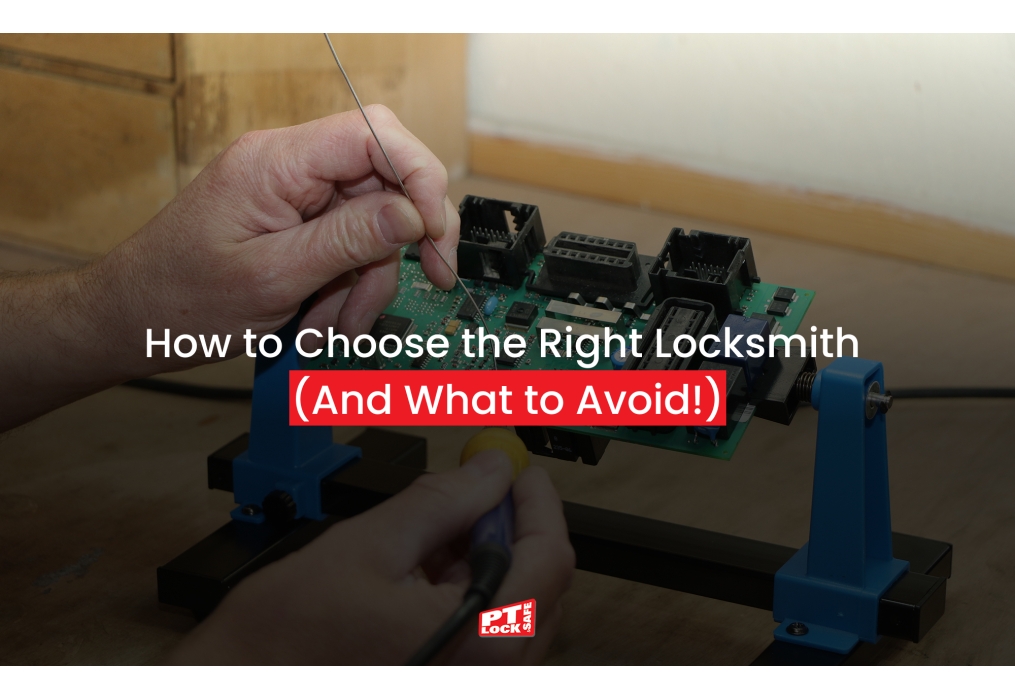
How to Choose the Right Locksmith (And What to Avoid!)
Choosing a locksmith isn’t something most of us think about until we’re standing on the doorstep, patting down every pocket we own and realising the keys aren’t there. In that moment, you want someone reliable, local, and skilled - not a company that’s going to keep you waiting for hours or charge you more than the job is worth.
Whether you’re locked out, upgrading your home security, or simply replacing a worn-out lock, here’s a straightforward guide to finding the right locksmith. We’ve also included a few red flags to help you steer clear of the ones who could cause more stress than they solve.
Start with someone genuinely local
It sounds obvious, but you’d be surprised how many “local locksmiths” are actually national call centres using a Norwich or Norfolk phone number. A real locksmith will:
- Know the area well
- Be able to get to you quickly
- Charge fairly without adding mystery travel costs
- Usually have a reputation you can check
If a company refuses to say where they’re based or keeps giving vague answers, it’s usually a sign they’re not local at all.
Check their experience with your type of lock
Not all locksmiths specialise in the same work. Some focus mainly on uPVC doors, others handle wooden doors, digital locks, or vehicle keys. If you have a specific issue - like a damaged multipoint mechanism or an anti-snap cylinder - make sure they actually deal with that kind of job.
A good locksmith will tell you straight away if something is or isn’t in their skillset. If they start waffling or dodging the question, that’s when alarm bells should ring.
Look for clear, upfront pricing
A trustworthy locksmith won’t shy away from giving you a price range before they arrive. They might need to see the lock in person to give a final figure, but they should be confident enough to give an honest estimate.
Watch out for:
- Prices that sound unrealistically cheap
- “From £29” adverts (these almost always shoot up once they arrive)
- Refusal to explain labour rates or call-out fees
- Pressure tactics like “we need to drill the lock” before even inspecting it
Most of the horror stories people hear about locksmiths come down to unclear pricing. If the company is cagey, move on.
Read reviews - but read them properly
Online reviews are helpful, but only if you look at them with a critical eye. A genuine locksmith will have a mix of:
- Detailed reviews
- Real customer names
- A few critiques or suggestions here and there (no business is perfect)
Be cautious if the page is full of identical-sounding five-star reviews with little explanation. Those usually aren’t as organic as they look.
Ask how they plan to approach the job
This is one of the simplest ways to separate professionals from amateurs. A good locksmith can usually talk you through a rough plan before they even start:
- Will they try non-destructive entry first?
- Are replacement parts needed?
- What are the options if the lock is beyond repair?
If someone’s first answer is “we’ll have to drill it” without trying anything else, that’s a sign they’re either inexperienced or deliberately taking the more expensive route.
Avoid anyone who can’t tell you their insurance or training background
Qualified locksmiths don’t mind explaining their training - whether they’ve been in the trade for decades or have completed professional courses. Likewise, they’ll have public liability insurance and will happily confirm it.
Some of the less trustworthy operators dodge the question entirely, which is never a good sign when they’re about to work on one of the most important security points of your home.
Trust your gut when speaking to them
You can usually get a feel for a locksmith within the first half-minute of talking to them. A good one will sound calm and confident, but never pushy. They’ll ask a few sensible questions about what’s actually going on, give you an idea of what to expect, and offer a bit of advice without making you feel like you’re being rushed into anything.
If the person on the other end of the phone seems bored, snappy, or only interested in getting your card details before they’ve even understood the problem, that’s normally a sign you’d be better off trying someone else.
Final thoughts
Picking a locksmith doesn’t have to be a stressful decision, but it’s worth paying attention to the little things. The right locksmith should leave you feeling comfortable and reassured - not confused or worried about surprise costs. Spending an extra minute checking their background, how they price their work, and the way they handle that first conversation can save you a lot of hassle later on.
And if you’re unsure, there’s nothing wrong with calling one or two different locksmiths for a second opinion. The genuine professionals won’t mind pointing you in the right direction, even if you don’t end up booking them.