
What Is Lock Snapping and How Can You Protect Your Home?
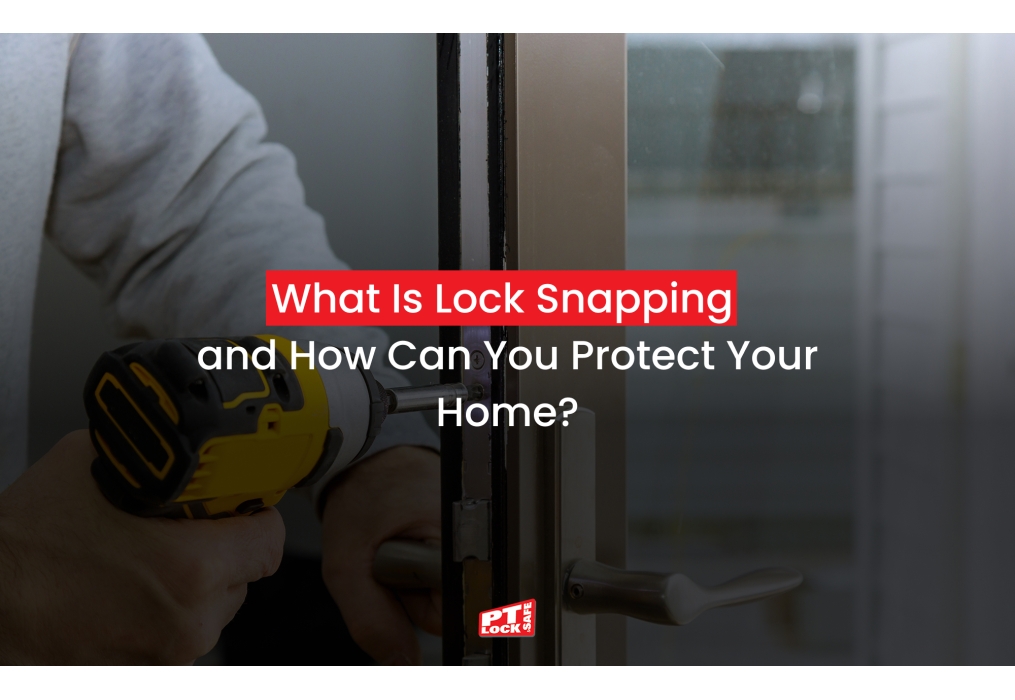
If you’ve got a uPVC or composite front door, there’s a good chance it uses a euro cylinder. That’s simply the part you put your key into, sitting in the middle of the door handle.
There’s nothing wrong with euro cylinders themselves. We fit them, replace them and work on them all the time. The issue is that some older or lower-security cylinders can be vulnerable to what’s known as lock snapping.
If we were standing at your front door looking at the problem with you, the cylinder is one of the first things we’d check.
So, What Is Lock Snapping?
Rather than trying to force the whole door, somebody attacks the cylinder itself.
If the cylinder is vulnerable, enough force can break it around its weakest point. That can then give access to the locking mechanism behind it and, in some cases, allow the door to be opened.
This is where people can get caught out.
You might have a multipoint locking system with several locking points running up and down the door. When you lift the handle, everything engages and it feels very secure.
But all of that is still being controlled from the centre of the door.
If the cylinder protecting that part of the mechanism is the weak point, having several locking points doesn’t necessarily protect you from this particular type of attack.
From inside the house, you wouldn’t know there was an issue. The key turns normally, the handle works and the door feels perfectly solid.
What Would We Check?
One of the first things we’d look at is how the cylinder sits within the handle.
If it sticks out noticeably, we’d want to look at why. The cylinder should be correctly sized for the door, rather than leaving an unnecessary amount exposed.
We’d also want to know what type of cylinder has been fitted.
This is one of those situations where two locks can look almost identical from the outside but offer very different levels of protection. You can’t really judge it by turning the key and deciding whether the lock feels solid.
We’d look at the cylinder itself, the handles, how everything has been fitted and whether there are any obvious weak points in the setup.
Does the Whole Door Need Replacing?
Usually, no. If the cylinder is the problem, changing that may be all that’s needed.
An anti-snap cylinder is designed to offer better resistance to this type of attack. There are also recognised security standards, including SS312 Diamond-rated cylinders and TS007 three-star solutions, which can help when choosing an appropriate replacement.
But we wouldn’t just fit the highest-rated cylinder we could find and assume the job was done. It still needs to be the correct size, fitted properly and suitable for the rest of the door. That’s the bit that matters.
We regularly see doors where the frame, handles and multipoint mechanism are all perfectly serviceable. The cylinder is simply the part that lets the rest of the setup down.
If that’s the case, there’s no reason to turn a fairly straightforward improvement into a much bigger job. That’s generally how we approach home security. We’re not looking for reasons to replace everything. We’re looking for the part that’s causing the problem or creating the weakness, and then working out the most sensible way of dealing with it.
If you’re not sure what cylinder you’ve got, we can take a look. Sometimes we’ll tell you it’s absolutely fine and there’s nothing worth changing. If there is a weakness, we’ll show you what we’ve found and explain what we’d recommend doing about it.